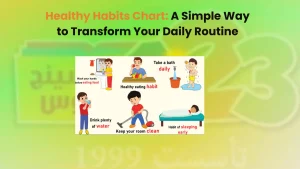
Most people don’t fail at health or productivity because of one big mistake. They struggle because of small daily habits that slowly build up over time. Skipping sleep, eating irregularly, staying inactive, or constantly checking screens—none of these feel serious in the moment, but together they shape your entire lifestyle.
Healthy habits and routines are not about perfection. They are about creating a simple structure in your day that supports your body and mind without feeling forced.
This guide will help you build realistic habits and routines that actually fit into your daily life.
What Are Healthy Habits and Routines?
Healthy habits are small actions you repeat daily that improve your physical and mental wellbeing. Routines are the structure that organizes these habits into your day.
Simple examples:
- Drinking water after waking up
- Walking daily for 20 minutes
- Sleeping at a fixed time
- Eating balanced meals
- Reducing screen time before bed
These small actions, when repeated, create long-term results.
Why Healthy Habits Matter More Than Motivation
Motivation comes and goes. Habits stay.
When you rely on motivation:
- You start strong but lose consistency
- You feel guilty when you miss a day
- You struggle to stay disciplined
When you build habits:
- Actions become automatic
- You don’t need constant motivation
- Progress becomes steady and predictable
Your lifestyle is shaped by what you do repeatedly, not occasionally.
Step 1: Start With One Small Habit
A common mistake is trying to change everything at once.
Better approach:
Focus on one simple habit first.
Examples:
- Drink more water daily
- Walk 10–15 minutes
- Sleep 30 minutes earlier
- Eat one healthy meal per day
Small habits are easier to maintain and build confidence.
Step 2: Build a Simple Daily Routine
A routine gives structure to your day and reduces decision stress.
Example daily routine:
Morning:
- Wake up at a fixed time
- Drink water
- Light movement or stretching
- Plan your day
Daytime:
- Focus on key tasks
- Take short breaks
- Eat balanced meals
Evening:
- Reduce screen use
- Light activity or walk
- Relax your mind
Night:
- Avoid heavy thinking
- Prepare for sleep
- Stick to a sleep schedule
Consistency matters more than perfection.
Step 3: Focus on Keystone Habits
Keystone habits are small habits that influence many other behaviors.
Powerful keystone habits:
- Regular exercise
- Good sleep schedule
- Healthy eating
- Daily planning
When these improve, other areas of life often improve automatically.
Step 4: Improve Sleep Routine
Sleep is one of the most important habits for overall health.
Better sleep habits:
- Sleep and wake up at the same time daily
- Avoid screens before bed
- Keep your room calm and dark
- Avoid caffeine late in the day
Good sleep improves energy, focus, and mood.
Step 5: Build a Healthy Morning Routine
How you start your day affects everything that follows.
Simple morning habits:
- Avoid phone immediately after waking up
- Drink water first
- Stretch or move your body
- Set priorities for the day
A calm morning leads to a more productive day.
Step 6: Create Movement Habits
Your body needs regular movement to stay healthy.
Easy movement ideas:
- Walking daily
- Stretching breaks
- Light exercise
- Taking stairs instead of elevators
You don’t need intense workouts—just consistent movement.
Step 7: Improve Eating Habits Slowly
Healthy eating doesn’t require strict dieting.
Simple improvements:
- Add more vegetables to meals
- Reduce sugary drinks
- Eat balanced portions
- Avoid skipping meals frequently
Small changes are easier to maintain than extreme diets.
Step 8: Reduce Digital Overload
Too much screen time affects focus and mental health.
Better habits:
- Set screen time limits
- Avoid phone before bed
- Turn off unnecessary notifications
- Take offline breaks during the day
Less digital noise creates more mental clarity.
Step 9: Use Habit Stacking
Habit stacking means linking a new habit to an existing one.
Example:
- After brushing teeth → drink water
- After lunch → take a 10-minute walk
- After waking up → stretch for 2 minutes
This makes habits easier to remember and maintain.
Step 10: Be Flexible, Not Strict
Strict routines often fail because life is unpredictable.
Better mindset:
- Missing one day is normal
- Focus on long-term consistency
- Adjust routines when needed
Flexibility keeps habits sustainable.
Common Mistakes in Building Habits
1. Trying to change everything at once
Leads to burnout and quitting early.
2. Expecting fast results
Habits take time to show impact.
3. Relying only on motivation
Habits should not depend on mood.
4. Creating unrealistic routines
Too complex routines are hard to follow.
5. Giving up after small failures
Consistency matters more than perfection.
Pro Tips for Building Strong Habits
- Start with very small actions
- Track progress simply (not obsessively)
- Keep routines simple and realistic
- Focus on identity (“I am a healthy person”)
- Celebrate small wins
Small improvements build long-term transformation.
FAQ – Healthy Habits & Routines
1. How long does it take to build a habit?
It usually takes a few weeks to a couple of months depending on consistency.
2. What is the easiest habit to start with?
Drinking water daily or walking regularly are simple starting points.
3. Can I change multiple habits at once?
It’s better to focus on one or two habits at a time.
4. What if I miss a day?
Missing a day is normal—just continue the next day without guilt.
5. Why do most people fail at habits?
Because they start too big and lack consistency or simplicity.
Conclusion
Healthy habits and routines are not about strict discipline or complicated systems. They are about small, repeated actions that gradually shape your life in a better direction.
When you start small, stay consistent, and build routines that fit your lifestyle, everything becomes easier—your health, productivity, energy, and mindset all improve naturally.
You don’t need a perfect plan. You just need to start with one small habit and keep going.