Introduction
Most people already know what they should be doing. Drink more water. Sleep eight hours. Move your body. Eat vegetables. The advice is everywhere, yet actually doing it consistently feels impossible for many. The gap between knowing and doing is where habits and routines live.
A healthy habit is not a single good choice. It is a behavior that becomes automatic through repetition. A routine is the structure that holds those habits together, turning scattered efforts into a coherent day. When your healthy choices become automatic, you stop relying on willpower. You stop debating with yourself at six in the morning whether to exercise or not. You just do it.
This guide will explain what healthy habits and routines really mean, why they are essential, and how to build them without burning out. You will learn a step-by-step method for creating habits that last, see practical examples for real-life situations, and understand the common mistakes that cause most people to quit. Whether you are starting from scratch or rebuilding after a setback, this article is designed to help you create a daily structure that supports your health, energy, and peace of mind.
What Healthy Habits and Routines Actually Mean
A habit is a small, repeated action that happens almost without thought. Brushing your teeth before bed is a habit. Checking your phone first thing in the morning is also a habit. The difference lies only in whether the behavior serves you or drains you.
A routine is a sequence of habits performed in a specific order or at a specific time. Your morning routine might include waking up, drinking water, stretching, showering, and eating breakfast. Each individual action is a habit. The predictable order and timing make it a routine.
Healthy habits and routines are not about perfection. They are about reducing friction for good choices and increasing friction for bad ones. When your environment and schedule are designed well, the healthy option becomes the easy option. You do not need more discipline. You need a better structure.
Why Daily Routines Transform Your Health and Mind
The human brain loves predictability. Every decision you make throughout the day consumes mental energy. This is called decision fatigue. When you have no routine, you waste energy on trivial choices. What should I eat? When should I exercise? Should I work now or later? By the time an important decision arrives, your mind is exhausted.
Routines eliminate this waste. They create mental space for creativity, problem-solving, and deep work. They also stabilize your circadian rhythm, which improves sleep, digestion, and mood regulation.
People with consistent routines tend to experience lower anxiety because their nervous system knows what to expect. There is safety in predictability. When the world outside feels chaotic, your routine becomes an anchor. It is something you control, and that sense of control is deeply protective for your mental health.
Physically, routines help you maintain steady energy. Irregular meal times, sleep schedules, and exercise patterns confuse your body. A routine trains your systems to function optimally at predictable times.
The Science of How Habits Form
Understanding how habits form makes building them far easier. Every habit follows a loop. First, there is a cue, a trigger that tells your brain to start a behavior. Then comes the routine, the behavior itself. Finally, there is the reward, a benefit that reinforces the loop.
For example, the smell of coffee might be your cue to start your morning routine. The routine is making and drinking the coffee. The reward is the warmth, taste, and caffeine boost. Over time, this loop becomes automatic.
The key insight is that you cannot erase old loops easily. But you can replace them. If you currently reach for sugary snacks at three in the afternoon, the cue is probably boredom or low energy. You can keep the same cue and reward but change the routine to a handful of nuts and a short walk.
Another powerful concept is habit stacking. This means attaching a new habit to an existing one. After I pour my morning coffee, I will drink a glass of water. The existing habit becomes the cue for the new one. This is far more effective than trying to remember a new behavior out of context.
Step-by-Step Guide to Building Healthy Habits
Building habits that last requires strategy, not just motivation. Here is a practical method that works.
Start smaller than you think necessary. If you want to exercise daily, begin with five minutes. If you want to read more, start with one page. The goal is not performance. The goal is repetition. A tiny habit done every day becomes automatic faster than an ambitious habit done twice a week.
Anchor your new habit to a specific time and place. Vague intentions fail. Instead of saying I will exercise more, say I will walk for ten minutes immediately after lunch at my desk. Specificity removes the need for decision-making.
Design your environment. Make the good habit obvious and the bad habit invisible. If you want to eat more fruit, place a bowl on your counter. If you want to reduce screen time before bed, charge your phone in another room. Your environment shapes your behavior more than your motivation does.
Track your progress. Use a simple calendar or notebook. Mark each day you complete your habit. Seeing a chain of successes creates momentum. Do not break the chain becomes a stronger motivator than the habit itself.
Plan for obstacles. Life will interrupt you. Decide in advance what you will do when you are traveling, sick, or overwhelmed. A good rule is the never miss twice rule. Missing one day is a mistake. Missing two days is the start of a new habit.
Be patient. Research suggests that habits take anywhere from twenty to sixty days to become automatic, depending on complexity. Do not judge your progress after one week. Trust the process.
Essential Healthy Habits for a Strong Foundation
Certain habits provide outsized benefits. If you are unsure where to start, focus on these fundamentals.
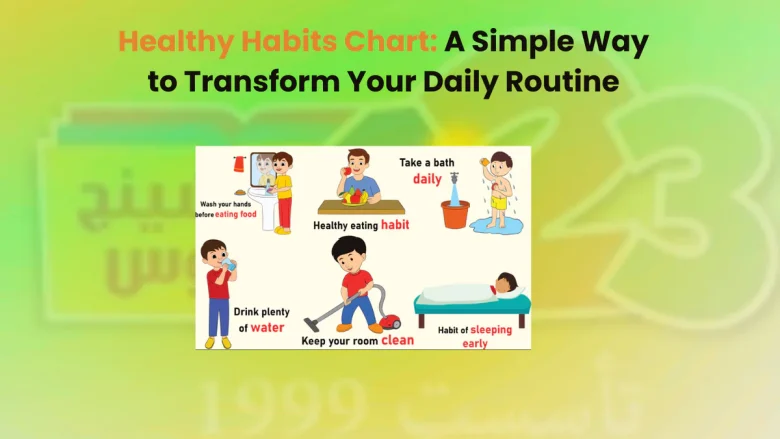
Prioritize sleep. Sleep is the foundation upon which every other habit rests. Poor sleep destroys willpower, increases cravings, and impairs judgment. Aim for a consistent bedtime and wake time, even on weekends. Create a wind-down routine that starts one hour before bed. Dim lights, avoid screens, and do something calming.
Hydrate early. Dehydration causes fatigue, headaches, and poor concentration. Drink a large glass of water within thirty minutes of waking. This rehydrates your body after sleep and kickstarts your metabolism. Keep water visible throughout the day.
Move your body intentionally. You do not need a gym membership. Walking, stretching, dancing, and household chores all count. The goal is to reduce sedentary time. Find movement you enjoy so that it does not feel like punishment. Consistency beats intensity.
Eat regular, balanced meals. Skipping meals leads to blood sugar crashes and impulsive eating. Build your plate around protein, fiber, and healthy fats. Keep healthy snacks accessible. Prepare food in advance when possible.
Protect your mental space. Limit news consumption if it leaves you anxious. Set boundaries with your phone. Practice brief moments of silence or mindfulness. Your mental diet is as important as your physical one.
Connect with others. Social isolation is a health risk comparable to smoking. Make time for genuine conversation, even if it is brief. A daily check-in with a friend or family member supports emotional resilience.
Designing a Daily Routine That Fits Your Life
There is no universal perfect routine. A parent of young children has different constraints than a college student or a remote worker. The best routine is one you can actually follow.
Morning routines set the tone. Resist the urge to check your phone immediately. Instead, use the first twenty minutes for yourself. Hydrate, move gently, get natural light, and define your main priority for the day. This creates a sense of control before external demands arrive.
Workday routines protect focus. Batch similar tasks together. Check email at specific times rather than constantly. Take real breaks away from your screen. Eat lunch without multitasking. These boundaries prevent burnout and maintain quality output.
Evening routines prepare you for recovery. Start winding down two hours before your target bedtime. Avoid stimulating work, heavy meals, and bright screens. Engage in something calming, reading, light stretching, or conversation. A consistent evening routine trains your body to fall asleep faster.
Weekly routines add structure. Use a specific day for planning, meal preparation, or household tasks. Having a weekly rhythm prevents these responsibilities from spilling into every day and creating background stress.
Common Mistakes to Avoid
Many people fail to build healthy habits because they fall into predictable traps.
Mistake one: Changing everything at once. Enthusiasm is not sustainable. When you try to overhaul your diet, exercise, sleep, and work habits simultaneously, you overwhelm your capacity for change. Choose one or two habits and master them before adding more.
Mistake two: Copying someone else exactly. A CEO’s morning routine might include cold showers and meditation at four in the morning. That does not mean it will work for you. Consider your chronotype, responsibilities, and preferences. Build a routine that fits your actual life.
Mistake three: Relying on motivation. Motivation is unreliable. It spikes on Sunday evening and vanishes by Tuesday morning. Routines must be designed to function even when you do not feel like it. That is why environment design and habit stacking matter more than inspiration.
Mistake four: Ignoring rest and recovery. Healthy habits include downtime. A routine that is packed with productivity from dawn to dusk is not healthy. It is a recipe for burnout. Schedule rest as seriously as you schedule work.
Mistake five: Quitting after one slip. A single missed day does not undo your progress. The danger is not the mistake. It is the story you tell yourself afterward. I have failed, so I might as well give up. Successful people miss days too. They simply start again the next morning without drama.
Practical Examples for Real Life
Theory is useful, but application matters most. Here are three realistic scenarios.
The busy parent. Mornings are chaotic. Instead of aiming for a perfect hour of self-care, anchor one tiny habit. After buckling the kids into the car, take three deep breaths before starting the engine. Prepare lunch the night before. Go for a family walk after dinner instead of separate gym time. Integration beats isolation.
The office worker with long hours. Commute time is fixed. Use it intentionally. Listen to something calming or educational instead of stressful news. Set a timer to stand and stretch every hour. Keep healthy snacks at your desk so vending machines do not decide for you. Use the ten minutes before a meeting to close your eyes and breathe.
The student with an irregular schedule. Irregular schedules make routines harder but not impossible. Create portable habits. A five-minute morning stretch that works in a dorm or shared apartment. A study ritual that begins with the same playlist and drink. A non-negotiable bedtime on nights when you control your schedule.
Staying Consistent When Motivation Fades
Motivation will fade. That is guaranteed. Here is how to stay on track regardless.
Build accountability. Tell someone your goal. Join a group with similar aims. Even a simple text to a friend saying you completed your habit can reinforce commitment.
Make it enjoyable. If you hate running, do not run. Dance, swim, hike, or play a sport. If healthy eating feels like deprivation, learn to cook flavorful meals. The best habit is the one you will actually repeat.
Use the two-minute rule. If you feel resistance, tell yourself you only need to do the habit for two minutes. Put on your running shoes. Chop one vegetable. Often, starting is the hardest part, and momentum carries you forward.
Review and adjust monthly. Routines should evolve. What worked last month might not work this month. Spend ten minutes at the end of each month reflecting on what is working and what feels forced. Adjust without guilt.
Healthy Habits Checklist
Use this checklist to assess and build your current routine.
Table
| Habit | Daily Target | Why It Matters |
|---|---|---|
| Drink water | 2–3 liters | Supports energy, digestion, and focus |
| Sleep consistently | 7–9 hours | Restores body and mind, stabilizes mood |
| Move intentionally | 20–30 minutes | Reduces disease risk and improves mental health |
| Eat balanced meals | 3 meals with protein and fiber | Stabilizes blood sugar and prevents cravings |
| Limit screen time before bed | 1 hour minimum | Protects sleep quality and melatonin production |
| Practice gratitude or reflection | 5 minutes | Builds emotional resilience and perspective |
| Connect socially | 1 meaningful interaction | Protects against isolation and stress |
Frequently Asked Questions
How long does it take to form a new habit? It varies. Simple habits, like drinking water after waking, may become automatic in a few weeks. Complex habits, like daily exercise or dietary changes, often take two months or more. Focus on consistency rather than speed. The habit forms when it feels stranger to skip it than to do it.
What is the best way to start if I currently have no routine? Begin with your morning. The first hour of your day influences everything that follows. Pick one habit, drinking water, stretching, or making your bed, and do it at the same time every day for thirty days. Once that feels automatic, add another.
Can I build healthy habits if I work irregular shifts? Yes, but you need to anchor habits to events rather than clock times. For example, after I finish my shift, I will walk for fifteen minutes. After I eat my main meal, I will drink a glass of water. The principle remains the same even if the timing changes.
What should I do if I miss several days in a row? Restart immediately without self-criticism. Analyze what caused the break. Was the habit too ambitious? Was the cue missing? Adjust the habit to be smaller or easier, and begin again. Progress is not linear, and setbacks are part of the process.
Are routines boring or restrictive? Only if you design them that way. A good routine creates freedom by automating necessary tasks and protecting time for spontaneity. You do not need to schedule every minute. You need enough structure so that your important priorities do not get lost.
How do I get my family to adopt healthier habits? Lead by example. Nagging creates resistance. Start with shared activities. Cook one healthy meal together. Go for an evening walk as a family. Make the healthy option fun and social rather than a rule imposed from above.
Is it better to build habits in the morning or evening? Morning habits are generally easier to maintain because willpower is highest and distractions are lowest. However, the best time is the one you will actually follow. If you are not a morning person, build your core habits around lunch or evening instead.
How do I balance routine with flexibility? Think of your routine as a default, not a prison. On normal days, follow it. On exceptional days, adapt. The goal is that your routine handles eighty percent of your life smoothly, so you have the energy to handle the unexpected twenty percent with grace.
Conclusion
Healthy habits and routines are not about becoming a different person. They are about becoming a more consistent version of yourself. Small, repeated actions, anchored to specific cues and supported by a well-designed environment, gradually reshape your health, mood, and productivity.
You do not need to transform your life overnight. You need to start with one habit, protect it, and let it grow. Be patient with yourself. Adjust when necessary. Celebrate the days you show up, and restart without shame on the days you do not.
The life you want is built in the quiet repetition of daily choices. Choose one habit today. Anchor it to tomorrow morning. And begin building the routine that will carry you forward.