Introduction
Walking into a gym for the first time can feel like stepping into a foreign country. The machines look like complicated medical devices, everyone else seems to know exactly what they are doing, and the fear of looking foolish is loud enough to make you turn around and leave. If you have ever felt this way, you are not alone. Every single experienced exerciser was once a beginner who did not know how to use a treadmill or hold a dumbbell correctly.
The good news is that fitness does not require talent, athletic history, or expensive equipment. It requires only a willingness to start and a commitment to showing up consistently. This guide is written for people who want to build a real fitness habit from scratch. You will learn what fitness actually means when you are starting out, how to create a safe and effective routine, what to eat without following a restrictive diet, and the mistakes that cause most beginners to quit. By the end, you will have a clear plan to begin this week, not someday.
What Fitness for Beginners Actually Means
Fitness is not a destination. It is a collection of habits that improve your ability to move, function, and feel better in daily life. For beginners, this means building a foundation. You are not training for the Olympics. You are teaching your body to handle slightly more than it currently does, then recovering so it can adapt.
A beginner fitness routine should focus on four pillars. Cardiovascular endurance so your heart and lungs work efficiently. Muscular strength so daily tasks feel easier. Mobility and flexibility so your joints move freely. And recovery so your body repairs and grows stronger.
The goal is not exhaustion. It is gradual improvement. If you finish every workout unable to walk or barely breathing, you are doing too much too soon. Sustainable fitness feels challenging but manageable. It leaves you energized, not destroyed.
Why Starting a Fitness Routine Transforms Your Life
The benefits of regular exercise extend far beyond appearance. Yes, body composition can improve, but the real rewards happen internally and immediately.
Your cardiovascular system strengthens within weeks. Your heart pumps blood more efficiently, which lowers resting blood pressure and reduces strain on your arteries. Your muscles begin to use oxygen more effectively, which means climbing stairs and carrying groceries stop feeling like major events.
Your bones and joints benefit too. Weight-bearing exercise stimulates bone density, which becomes increasingly important as you age. Stronger muscles support your joints, reducing the risk of injury during everyday activities.
Mentally, exercise is one of the most reliable mood regulators available. Physical activity increases the production of endorphins and supports better sleep quality. Many beginners report feeling clearer, less anxious, and more confident within the first month, not because their body has transformed, but because they have proven to themselves that they can follow through on a commitment.
Perhaps most importantly, fitness builds self-efficacy. The confidence you gain from completing a workout translates into other areas of life. You begin to trust your own discipline. That shift in identity, from someone who does not exercise to someone who does, is often the most profound change.
The Beginner Mindset: Patience Over Perfection
Before you touch a weight or run a mile, your mindset matters more than your program. Most beginners quit because they expect linear progress. They believe that if they work hard for two weeks, they should see visible results. When the mirror does not change, they assume it is not working and give up.
Fitness progress is not linear. Some weeks you will feel strong. Other weeks you will feel sluggish. This is normal. Your body adapts in waves, not straight lines. The key is to detach your motivation from immediate results and attach it to the process itself.
Stop comparing your beginning to someone else’s middle. Social media is filled with advanced athletes and fitness influencers who have trained for years. Their routines are not your routines. Your only competition is the person you were last week.
Embrace being a beginner. This is the only time in your fitness journey where every session teaches you something new. You are allowed to ask questions, use light weights, and modify movements. There is no shame in learning.
Step-by-Step Guide to Starting Your Fitness Journey
You do not need a complicated plan. You need a clear one. Follow these steps to begin safely.
Step one: Assess your starting point honestly. Can you walk for twenty minutes without pain? Can you stand up from a chair without using your hands? Can you touch your toes with straight legs? These simple assessments reveal your baseline. Do not judge them. Use them to choose your starting intensity.
Step two: Define a realistic goal. Instead of vague goals like get fit or lose weight, choose behavior-based goals. I will walk for twenty minutes three times this week. I will complete two strength sessions. I will stretch for five minutes after every workout. Behavior goals are within your control. Outcome goals often are not.
Step three: Choose your environment. You can start at home, outdoors, or in a gym. Home workouts require no equipment and offer privacy. Outdoor walking or jogging provides fresh air and vitamin D. A gym gives you access to equipment and structured space. The best environment is the one you will actually use.
Step four: Schedule your sessions. Treat exercise like an appointment with yourself. Put it on your calendar. Morning, lunch break, or evening does not matter. Consistency matters. Beginners often fail because they wait for free time rather than creating it.
Step five: Get basic gear. You do not need expensive clothing or shoes. You need comfortable footwear that supports your feet and breathable clothing that allows movement. If you are exercising at home, a yoga mat is helpful for floor work. That is all.
The Four Pillars of Beginner Fitness
A balanced routine addresses all four pillars. Neglecting one creates imbalances that lead to injury or burnout.
Cardiovascular Endurance
Cardio is any activity that raises your heart rate and breathing for an extended period. For beginners, walking is the most underrated form of cardio. It is low-impact, accessible, and highly effective. Start with fifteen to twenty minutes at a pace where you can talk but not sing. As this becomes comfortable, increase duration or speed gradually.
Other beginner-friendly options include cycling, swimming, dancing, or using an elliptical machine. Choose something you do not hate. If you dread the activity, you will not continue it.
Muscular Strength
Strength training is not just for bodybuilders. It is essential for everyone. Muscle tissue supports your metabolism, protects your joints, and makes daily life easier. Beginners can start with bodyweight exercises.
Squats, push-ups against a wall or on your knees, lunges, glute bridges, and planks form a solid foundation. Focus on learning the movement pattern first. Once you can perform twelve to fifteen repetitions with good form, you can add resistance using dumbbells, resistance bands, or household items like water bottles.
Perform strength training two to three times per week, with at least one rest day between sessions. This allows muscles to recover and grow.
Mobility and Flexibility
Mobility is the ability to move your joints through their full range of motion. Flexibility is the length of your muscles. Both prevent stiffness and injury.
Begin every workout with a five-minute warm-up. March in place, arm circles, leg swings, and gentle torso rotations prepare your body for movement. After your workout, spend five to ten minutes stretching the muscles you used. Hold each stretch for twenty to thirty seconds without bouncing.
Consider adding yoga or dedicated stretching sessions once a week. This is especially valuable if you sit for long periods.
Recovery
Recovery is when your body actually improves. Exercise creates stress. Recovery adapts to that stress. Without adequate rest, sleep, and nutrition, you do not get stronger. You get weaker.
Beginners need at least one full rest day per week. Sleep seven to nine hours nightly. Hydrate throughout the day. If you feel unusually sore, fatigued, or irritable, take an extra day off. Progress requires patience, not constant punishment.
Sample Beginner Workout Plans
Here are two realistic options depending on your preference.
Home Workout Plan (No Equipment)
Day one: Full body strength
-
Bodyweight squats: 2 sets of 10 reps
-
Incline push-ups (hands on a sturdy table): 2 sets of 8 reps
-
Glute bridges: 2 sets of 12 reps
-
Plank hold: 2 sets of 20 seconds
-
Rest 60 seconds between sets
Day two: Cardio
-
Brisk walk or light jog: 20 minutes
Day three: Rest or gentle stretching
-
10 minutes of full-body stretching or a beginner yoga video
Day four: Full body strength
-
Reverse lunges: 2 sets of 8 reps per leg
-
Wall push-ups: 2 sets of 10 reps
-
Superman holds (back extensions): 2 sets of 10 reps
-
Dead bug exercise: 2 sets of 8 reps per side
-
Rest 60 seconds between sets
Day five: Cardio
-
Brisk walk: 25 minutes
Day six and seven: Rest and recovery
Gym Workout Plan
Day one: Full body strength
-
Goblet squat with dumbbell: 2 sets of 10 reps
-
Seated row machine: 2 sets of 10 reps
-
Chest press machine: 2 sets of 10 reps
-
Plank: 2 sets of 30 seconds
-
Rest 90 seconds between sets
Day two: Cardio
-
Stationary bike or elliptical: 20 minutes at moderate intensity
**Day three: Rest
Day four: Full body strength
-
Leg press machine: 2 sets of 12 reps
-
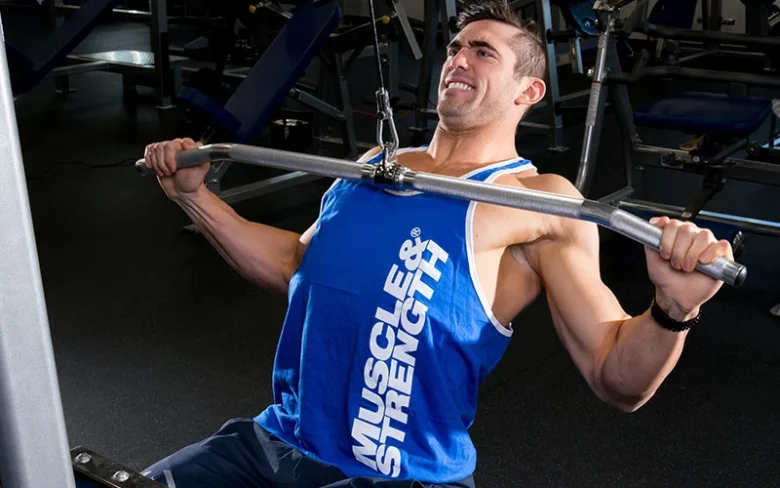
Lat pulldown machine: 2 sets of 10 reps
-
Dumbbell shoulder press: 2 sets of 10 reps
-
Farmer’s carry (hold dumbbells and walk): 2 sets of 30 seconds
-
Rest 90 seconds between sets
Day five: Cardio
-
Treadmill incline walk: 20 minutes
Day six and seven: Rest and recovery
Nutrition Basics for Beginners
You cannot out-train a poor diet, but you do not need a perfect diet either. Nutrition supports your fitness. It should not become a source of stress.
Eat enough protein. Protein repairs the muscle tissue you break down during exercise. Aim for a palm-sized portion of protein at each meal. Sources include chicken, fish, eggs, tofu, beans, lentils, Greek yogurt, and cottage cheese.
Prioritize whole foods. Build your meals around vegetables, fruits, whole grains, lean proteins, and healthy fats. These foods provide the vitamins, minerals, and fiber your body needs to recover and perform.
Hydrate consistently. Even mild dehydration reduces performance and increases fatigue. Drink water throughout the day. A simple guideline is to drink a glass with each meal and sip water during workouts.
Do not restrict calories aggressively. If you are new to exercise, your body needs fuel to adapt. Severe restriction leads to low energy, poor recovery, and eventual burnout. Focus on food quality and portion awareness rather than extreme diets.
Time your meals practically. Eat a balanced meal two to three hours before exercising. If you need something closer to your session, choose a small snack like a banana with peanut butter or a handful of nuts.
Common Mistakes to Avoid
Beginners often sabotage their progress with these avoidable errors.
Mistake one: Doing too much too soon. Enthusiasm is dangerous in week one. If you go from zero exercise to daily intense workouts, your body will rebel. You will experience extreme soreness, fatigue, and possibly injury. Start modestly and build gradually.
Mistake two: Neglecting form for intensity. Lifting heavier weights or performing exercises faster does not mean you are progressing. It means you are risking injury. Learn proper form first. Use mirrors, record yourself, or consult a qualified trainer if you are unsure.
Mistake three: Skipping the warm-up. Cold muscles are prone to strains. A five-minute warm-up increases blood flow, raises core temperature, and prepares your nervous system. It is not optional.
Mistake four: Comparing yourself to others. The person next to you in the gym has a different history, genetics, and timeline. Comparison steals your joy and distorts your expectations. Focus on your own logbook.
Mistake five: Ignoring rest days. Rest is not laziness. It is biology. Muscles grow during recovery, not during the workout. Skipping rest leads to overtraining, weakened immunity, and mental exhaustion.
Mistake six: All-or-nothing thinking. You miss one workout and decide the week is ruined. You eat one unhealthy meal and abandon your nutrition goals. This mindset destroys consistency. One imperfect day does not erase your progress. The next meal and the next workout are fresh opportunities.
How to Stay Consistent When Motivation Fades
Motivation is an unreliable partner. It arrives excited and leaves without warning. Consistency comes from systems, not feelings.
Make it easy to start. Lay out your workout clothes the night before. Pack your gym bag and leave it by the door. Reduce the friction between your intention and your action.
Use habit stacking. Attach your workout to an existing habit. After I drink my morning coffee, I will put on my walking shoes. After I finish work, I will do my strength routine. Existing habits become triggers for new ones.
Track your workouts. Keep a simple log. Record what you did, for how long, and how it felt. Seeing your history creates momentum. It proves you are someone who exercises.
Find accountability. Tell a friend your plan. Join a beginner class. Hire a trainer for a few sessions to learn form. Knowing someone expects you to show up increases your commitment.
Focus on the immediate reward. Exercise does not always produce instant physical results, but it always produces an immediate mood boost. Remind yourself how you feel after a workout. Use that feeling as your motivation.
Listening to Your Body: Pain vs. Discomfort
A critical beginner skill is distinguishing between productive discomfort and harmful pain.
Muscle burn during the last few repetitions is normal. Mild soreness the day after a workout is normal. Sharp, stabbing, or joint pain is not. If you feel pain in your knees, lower back, shoulders, or neck during an exercise, stop immediately. Modify the movement or choose a different exercise.
Dizziness, chest pain, or extreme shortness of breath are warning signs. Stop exercising and seek medical attention if these occur. Fitness should challenge you, not endanger you.
If you are over forty, have existing health conditions, or have been sedentary for years, consult a healthcare provider before beginning a new exercise program. This is not a limitation. It is smart preparation.
Beginner Fitness Checklist
Use this checklist to prepare for your first week and beyond.
Table
| Task | Action | Purpose |
|---|---|---|
| Assess your baseline | Walk for 20 minutes and note how you feel | Establishes your starting point |
| Set a behavior goal | Choose 3 workouts this week | Creates a concrete target |
| Schedule sessions | Put workouts on your calendar | Protects time and builds habit |
| Prepare gear | Lay out clothes and shoes | Reduces friction and excuses |
| Warm up | 5 minutes of light movement before every session | Prevents injury and improves performance |
| Focus on form | Perform each exercise slowly and correctly | Builds safe movement patterns |
| Cool down | Stretch for 5–10 minutes after | Improves flexibility and reduces soreness |
| Prioritize sleep | Aim for 7–9 hours nightly | Supports recovery and energy |
| Hydrate daily | Drink water with each meal | Maintains performance and health |
| Track progress | Log your workouts in a notebook | Builds motivation and awareness |
Frequently Asked Questions
How often should a beginner exercise? Aim for three to four sessions per week. This provides enough stimulus for your body to adapt while allowing adequate recovery time. Quality matters more than quantity. Three focused sessions are better than seven exhausted ones.
Do I need to join a gym to get fit? No. Many beginners build excellent fitness at home using bodyweight exercises, walking, and online follow-along videos. A gym offers equipment and atmosphere, but it is not mandatory. Choose the environment that fits your budget, schedule, and comfort level.
How long before I see results from exercise? This depends on your starting point, consistency, and nutrition. Most beginners notice improved energy and sleep within two to three weeks. Visible changes in strength and endurance typically appear within four to eight weeks. Physical appearance changes may take longer. Trust the process and focus on how you feel.
What should I eat before and after a workout? Before a workout, eat a balanced meal two to three hours prior, or a small snack like fruit and nuts if you are closer to your session. After a workout, prioritize protein and carbohydrates to support recovery. Examples include chicken with rice, eggs with whole grain toast, or a protein smoothie with banana and spinach.
Is soreness a sign of a good workout? Not necessarily. Mild soreness indicates your muscles experienced a new challenge, which is normal for beginners. However, extreme soreness that limits your movement or lasts for days suggests you did too much. A good workout leaves you challenged but functional.
Can I lose weight with exercise alone? Exercise supports weight management, but nutrition plays the larger role. You do not need a crash diet. Focus on whole foods, adequate protein, and mindful portions. Combine this with regular exercise for sustainable, healthy results.
What if I have never exercised and feel intimidated? Start at home with walking and basic bodyweight movements. There is no audience. No one is watching or judging. Begin with five minutes if that is where you need to start. Every expert was once a beginner who chose to show up despite the fear.
Should I do cardio or strength training first? As a beginner, the order matters less than consistency. If your primary goal is general health, alternate days or combine them in the same session. If you do both in one workout, choose the one that aligns with your current priority. Over time, you will naturally find a rhythm that works for you.
Conclusion
Fitness is not a race. It is a lifelong practice of taking care of the body you live in. As a beginner, your only job is to start, to repeat, and to trust that small efforts compound into significant change. You do not need the perfect program, the perfect body, or the perfect schedule. You need the willingness to take one step today and another step tomorrow.
Choose one workout from this guide and schedule it for this week. Prepare your clothes tonight. Walk for ten minutes in the morning. Do five bodyweight squats before lunch. These tiny actions are not trivial. They are the foundation of everything that comes next.
Your fitness journey does not begin when you are ready. It begins when you decide that ready is not a requirement. Lace up your shoes and go