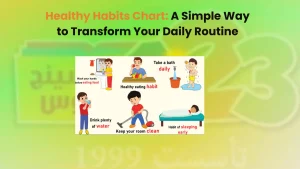
Consistency is one of the most talked-about topics in productivity and self-improvement, yet it’s also one of the hardest things to maintain. Many people start new habits with excitement, only to lose motivation after a few days or weeks. I’ve experienced this cycle many times—starting strong, then slowly drifting back into old routines. Over time, I learned that staying consistent doesn’t require extreme discipline or endless motivation. Instead, it comes from building small, realistic daily habits that fit naturally into everyday life.
This article shares how I stay consistent with small daily habits and how you can create a simple, sustainable system that works for beginners and busy lifestyles.
Why Small Habits Matter More Than Big Goals
Large goals are exciting, but they can also feel overwhelming. When a goal feels too big, the brain often delays action. Small habits remove that resistance because they feel easy and manageable.
For example, committing to a two-hour workout every day feels intimidating, but committing to five minutes of movement feels achievable. Small habits reduce pressure and make it easier to start.
The secret is simple: consistency grows from small, repeatable actions.
The Real Reason Most Habits Fail
Many people believe habits fail because of lack of motivation. In reality, habits often fail because they are too ambitious or unrealistic.
Common habit mistakes include:
- Trying to change too many things at once
- Setting unrealistic expectations
- Relying on motivation instead of systems
- Expecting perfect consistency
Understanding these challenges helped me shift my approach and focus on sustainability rather than intensity.
The Power of Starting Extremely Small
When I began building daily habits, I made them so small they felt almost effortless. This removed mental resistance and made consistency easier.
Examples of tiny habits include:
- Reading one page
- Writing one sentence
- Stretching for one minute
- Drinking one glass of water
Starting small may feel insignificant, but small actions repeated daily create long-term results.
How I Chose the Right Habits to Start With
Instead of choosing trendy habits, I focused on habits that supported my daily life and goals. I asked myself simple questions:
- What would make my day easier?
- What small action would reduce stress?
- What habit could I realistically do every day?
This approach ensured my habits were practical and meaningful.
The Habit Stacking Method That Changed Everything
One of the most effective techniques I use is habit stacking. This means attaching a new habit to an existing routine.
For example:
- After brushing my teeth, I stretch for one minute.
- After making coffee, I write my top priorities.
- After dinner, I tidy my workspace.
Linking habits to existing routines makes them easier to remember and repeat.
Creating a Simple Daily Habit List
Instead of building a long routine, I focused on a short list of daily habits that fit into my schedule.
My daily habit list includes:
- Drink water after waking up
- Plan my top three priorities
- Move my body for a few minutes
- Tidy my workspace
- Reflect on the day
This list is small enough to feel manageable but powerful enough to create structure.
The Role of Environment in Staying Consistent
Your environment influences your behavior more than motivation does. Making small changes to your surroundings can make habits easier to follow.
Examples include:
- Keeping a water bottle nearby
- Placing a notebook on your desk
- Preparing workout clothes in advance
- Keeping your workspace tidy
A supportive environment reduces decision-making and encourages action.
Why I Stopped Relying on Motivation
Motivation is unpredictable. Some days you feel inspired, and other days you don’t. Waiting for motivation makes habits inconsistent.
Instead, I focused on systems and routines. When habits become automatic, they require less mental effort.
Consistency comes from routine, not motivation.
The Importance of Daily Triggers and Reminders
Triggers help your brain remember habits. These can be time-based or action-based.
Examples of triggers:
- Morning alarm = drink water
- Lunch break = short walk
- Evening tea = reflect on the day
Triggers create a reliable pattern that makes habits easier to follow.
How I Track My Habits Without Pressure
Habit tracking can be helpful, but it shouldn’t feel stressful. I use a simple checklist to mark completed habits.
The goal isn’t perfection—it’s awareness.
Tracking helps you see progress and stay motivated.
The “Never Miss Twice” Rule
One of the most powerful rules I follow is simple: never miss a habit two days in a row.
Missing one day is normal. Missing two days can start a new negative pattern. This rule keeps me consistent without pressure.
How I Handle Busy or Low-Energy Days
Life gets busy. Some days are unpredictable. Instead of skipping habits completely, I scale them down.
Examples:
- One minute of stretching instead of a workout
- One sentence instead of journaling
- One quick task instead of a long list
Doing something small keeps the habit alive.
Why Celebrating Small Wins Matters
Small achievements deserve recognition. Celebrating progress reinforces positive behavior and builds confidence.
Simple ways to celebrate:
- Acknowledge your effort
- Reflect on progress
- Reward yourself with something small
Positive reinforcement strengthens habits.
The Role of Identity in Habit Building
One mindset shift helped me stay consistent: focusing on identity instead of outcomes.
Instead of saying “I want to exercise,” I say “I’m someone who moves daily.”
This shift makes habits part of who you are.
Building Momentum Through Consistency
Momentum grows when habits become automatic. Once you build consistency with small habits, it becomes easier to add new ones.
Start small. Stay consistent. Grow gradually.
Avoiding the Perfection Trap
Perfection can stop progress. Habits don’t need to be perfect to be effective.
Consistency beats perfection every time.
How Long It Takes to See Results
Results from small habits appear gradually. Over weeks and months, small actions create meaningful change.
Patience and persistence are key.
Turning Habits Into a Lifestyle
When small habits become part of daily life, they feel natural instead of forced. This transformation happens slowly through repetition.
Consistency creates lifestyle change.
Conclusion
Staying consistent with small daily habits doesn’t require extreme discipline or motivation. By starting small, building simple systems, and focusing on consistency over perfection, anyone can create lasting habits.
Small actions repeated daily create powerful long-term change. Begin with one tiny habit today and build from there.
FAQ
1. How many habits should I start with?
Start with 2–3 small habits and add more gradually.
2. What if I miss a day?
Missing one day is normal. Follow the “never miss twice” rule.
3. How long does it take to build a habit?
It varies, but consistency over several weeks helps habits feel natural.
4. Should I track my habits daily?
Tracking helps maintain awareness but should remain simple and stress-free.
5. Can small habits really make a big difference?
Yes. Small daily actions compound into significant long-term results.