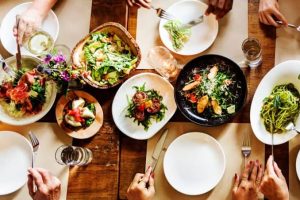
For a long time, I thought eating “healthy” meant tracking every bite, every number, and every calorie. I used apps, weighed food, and constantly worried about whether I was eating too much or too little. It worked for a while, but it quickly became exhausting and hard to maintain in real life. Eventually, I decided to simplify everything and focus on a more natural way of eating. That’s when I started planning balanced meals without counting calories.
Instead of numbers, I now rely on simple structure, food awareness, and consistency. My meals are still intentional, but they are no longer stressful. I focus on building plates that feel satisfying, nourishing, and realistic for daily life. Over time, this approach has helped me develop a healthier relationship with food, without the pressure of constant tracking. In this article, I’ll share exactly how I plan balanced meals in a practical, beginner-friendly way that anyone can follow.
Why I Stopped Counting Calories in My Daily Routine
The biggest reason I stopped counting calories was mental fatigue. At first, it felt empowering to know exactly what I was eating, but soon it started feeling like a full-time task. Every meal required calculations, and eating out became stressful because I couldn’t control the numbers. Food slowly turned into a source of anxiety instead of enjoyment.
I also realized that real life doesn’t always fit neatly into numbers. Some days are more active, some are more relaxed, and my hunger changes naturally. Calorie counting didn’t always reflect that reality. I wanted something more flexible and sustainable, something I could follow even on busy or unpredictable days.
Letting go of calorie tracking didn’t mean letting go of structure. Instead, it gave me space to focus on balance, portion awareness, and food quality. This shift helped me feel more relaxed around meals while still being mindful of what I eat.
What Balanced Meals Mean to Me in Everyday Life
To me, balanced meals are not about perfection. They are about combining different types of foods in a way that feels complete and satisfying. I think of balance as variety on the plate rather than strict rules or measurements.
A balanced meal, in my daily routine, usually includes something filling, something fresh, and something that adds flavor or richness. I don’t label foods as “good” or “bad.” Instead, I think about how they work together in a meal. For example, a meal feels more balanced when it has a mix of textures and ingredients rather than being centered around just one type of food.
This mindset removes pressure and makes eating more intuitive. I don’t need to overthink every meal because I already understand the general idea of balance. Over time, this approach has helped me naturally improve my eating habits without strict control or dieting rules.
The Simple Framework I Use to Build Every Meal
Instead of following complicated meal plans, I use a simple mental framework when putting meals together. I don’t measure or calculate anything, but I do think about variety and satisfaction.
When I prepare food, I try to include something that gives energy, something that keeps me full, and something that adds freshness or variety. This combination helps me stay satisfied for longer without needing to think about calories at all.
For example, if I am eating lunch, I naturally combine filling foods with lighter elements and something flavorful. I don’t focus on strict portions. Instead, I pay attention to how the meal feels while eating it. Over time, this has become second nature, and I no longer need to plan extensively before meals.
This flexible structure is the reason I can maintain balanced meals even on busy days. It keeps things simple, realistic, and easy to repeat every day.
How I Plan My Weekly Meals Without Tracking Apps
Meal planning used to feel complicated when I relied on tracking apps. Now, my weekly planning is much more relaxed. I don’t create strict schedules or fixed menus. Instead, I focus on having a general idea of what I want to eat during the week.
At the beginning of the week, I think about simple meal ideas I enjoy and ingredients I already have. I make sure my kitchen is stocked with versatile foods that can be combined in different ways. This allows me to mix and match meals depending on my mood and schedule.
I also avoid planning every single meal in detail. Life is unpredictable, and I prefer flexibility. Some days I eat lighter meals, and other days I prefer something more filling. My weekly plan simply acts as a guide, not a strict rulebook.
This approach reduces stress and helps me stay consistent without feeling restricted or overwhelmed by planning tools.
My Grocery Shopping Strategy for Effortless Balance
Grocery shopping plays a big role in how I maintain balanced meals without counting calories. Instead of buying based on strict meal plans, I focus on choosing a variety of basic ingredients that work well together.
When I shop, I think in terms of flexibility. I choose foods that can be used in multiple meals rather than items that only fit one recipe. This makes it easier to prepare different meals throughout the week without getting bored.
I also try to keep my kitchen stocked with simple staples that can be combined in different ways. This way, I don’t need to overthink every meal decision. I can simply open my kitchen and build something balanced with what I already have.
Over time, this habit has made grocery shopping faster, easier, and more intentional. I spend less time planning and more time actually enjoying the food I prepare.
How I Manage Portion Control Without Scales or Calculators
One of the most important parts of my routine is learning portion awareness without using scales. Instead of measuring everything, I rely on natural cues from my body and visual balance on the plate.
I pay attention to how full I feel while eating rather than trying to control exact quantities. I also try to serve meals in a way that looks visually balanced rather than overloaded in one direction.
This method helps me stay connected to my hunger signals. Some days I naturally eat more, and other days I eat less, and I’ve learned to trust that variation. It has made eating feel more intuitive and less mechanical.
Over time, I realized that my body is actually quite good at guiding me when I stop over-controlling every detail. Portion control became less about restriction and more about awareness.
The Eating Habits That Keep My Meals Naturally Balanced
Balanced eating is not just about food choices; it’s also about habits around meals. One habit that changed everything for me was slowing down while eating. When I eat too fast, I tend to overeat without noticing. But when I slow down, I naturally feel more satisfied with less pressure.
I also avoid distractions as much as possible during meals. When I am fully present, I enjoy my food more and recognize fullness more easily. This helps me maintain balance without thinking about rules.
Another habit I follow is listening to my hunger instead of external schedules. I try not to eat just because it is a certain time. Instead, I check in with how I feel. This has helped me build a more natural rhythm with food.
These habits may seem small, but together they create a strong foundation for balanced eating without any tracking or counting.
Common Mistakes I Used to Make and How I Fixed Them
In the beginning, I made many mistakes while trying to eat balanced meals. One of the biggest mistakes was overcomplicating everything. I thought healthy eating had to be perfect, detailed, and controlled. This made me stressed and inconsistent.
Another mistake was ignoring my actual hunger signals. I used to follow strict plans even when I wasn’t hungry or when I needed more food. This created frustration and made me lose trust in my own body.
I also used to focus too much on individual meals instead of looking at my overall eating pattern. Once I stepped back and looked at my habits over time, I realized balance doesn’t need to happen in every single meal.
Fixing these mistakes came from simplifying everything. I stopped aiming for perfection and started aiming for consistency and awareness. That shift made a huge difference in how I approach food today.
Conclusion:
Learning how to plan balanced meals without counting calories completely changed my relationship with food. Instead of stress, I now have simplicity. Instead of rules, I have awareness. And instead of tracking everything, I focus on patterns that work in real life.
This approach is not about strict discipline. It is about building a system that feels natural, flexible, and sustainable. By focusing on balance, variety, and listening to my body, I’ve been able to maintain a healthy routine without the pressure of numbers.
Anyone can adopt this method by starting small and focusing on simple, repeatable habits. Over time, it becomes easier, and eating starts to feel more like a normal part of life rather than a task to manage.
FAQs
Q1: Can I really eat balanced meals without tracking calories?
Yes, you can. Balanced eating is more about variety, portion awareness, and consistency than numbers. When you focus on structure and habits, calorie counting becomes unnecessary for many people.
Q2: How do I know if my meals are balanced without measuring anything?
You can judge balance by variety and satisfaction. If your meals include different types of foods and keep you full and energized, they are likely well balanced without needing measurements.
Q3: Is this method suitable for beginners?
Yes, this approach is very beginner-friendly. It removes complexity and helps you focus on simple habits instead of complicated tracking systems.
Q4: What should I do if I feel unsure about portions?
Start by paying attention to your hunger signals and how you feel after meals. With time, your natural portion awareness improves without needing tools or scales.