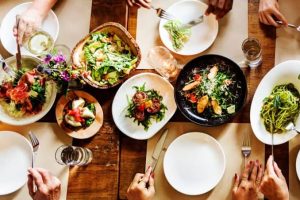
Building a balanced plate when you’re always busy can feel like a challenge, especially when time is limited and daily responsibilities keep piling up. Many people end up relying on quick snacks, fast food, or skipping meals altogether because planning feels too complicated. However, a balanced plate does not have to be time-consuming or difficult. In fact, it can be one of the simplest ways to bring structure, energy, and clarity into a hectic lifestyle. When you understand how to combine simple food groups in a practical way, you can create meals that feel satisfying without spending hours in the kitchen. This article is a friendly and practical guide designed to help beginners build balanced meals even on the busiest days.
Understanding What a Balanced Plate Really Means
A balanced plate is not about strict rules or complicated nutrition systems. Instead, it is about combining different types of foods in a way that feels complete and satisfying. When your plate includes a mix of ingredients that provide variety, you naturally feel more energized and less likely to overeat or rely on unhealthy snacks later. The idea is to keep things simple and flexible rather than perfect. A balanced plate can be created with everyday foods you already enjoy, as long as you think in terms of variety and portion awareness. This approach helps busy people maintain better eating habits without adding stress to their routine.
The Real Struggle of Eating Well When You Are Always Busy
Busy schedules often make food an afterthought instead of a priority. When deadlines, work, studies, or family responsibilities take over the day, meals become rushed or skipped entirely. This leads to inconsistent eating patterns, which can make it harder to stay focused and productive. Many people also feel overwhelmed by the idea of planning meals in advance, especially when they already have limited time. The result is often dependence on convenience foods that do not always feel satisfying. Understanding this struggle is important because it shows that the solution should be simple, realistic, and adaptable to everyday life.
Why Simplicity is the Key to a Balanced Plate
Simplicity is the foundation of building a balanced plate when life is busy. Complicated meal plans or strict diets are often difficult to maintain, especially when time and energy are limited. A simple approach makes it easier to stay consistent because it removes decision fatigue. When you have a clear idea of what a balanced meal looks like, you can quickly assemble food without overthinking. This also reduces stress around eating and makes meals more enjoyable. Instead of aiming for perfection, focusing on simple combinations of foods helps create a sustainable eating pattern that fits into any schedule.
Quick Thinking: How to Build a Balanced Plate in Minutes
When time is short, building a balanced plate becomes more about quick thinking than detailed planning. The key is to keep basic food options available so you can mix and match them easily. For example, having simple staples at home allows you to put together a meal in minutes without needing complex recipes. The idea is to create a mental shortcut where you can quickly decide what your plate needs to feel complete. This approach is especially helpful during busy mornings, rushed lunches, or tired evenings when cooking feels like too much effort.
Making Smart Food Choices Without Overcomplicating Your Day
Smart food choices do not have to involve complicated rules or constant tracking. Instead, they come from understanding what makes a meal feel balanced and satisfying. When you are busy, it helps to choose foods that are easy to prepare and combine well with others. This reduces the need for long cooking sessions or complicated preparation methods. Over time, these small decisions add up and create a more stable eating routine. The goal is to make choices that support your lifestyle instead of slowing you down or adding pressure to your day.
Creating a Flexible Meal Routine That Fits Your Schedule
A flexible meal routine is essential for busy individuals because no two days look the same. Some days may be packed with meetings or responsibilities, while others may be slightly more relaxed. A rigid eating schedule can feel difficult to follow, but a flexible routine allows you to adapt based on your day. Instead of focusing on strict meal timing, it becomes more about making sure you are eating in a way that keeps you comfortable and energized. This flexibility helps reduce stress and makes it easier to stay consistent with healthier habits over time.
The Role of Simple Ingredients in Everyday Balanced Meals
Simple ingredients play a big role in making balanced meals easier to build. When your kitchen is stocked with basic, easy-to-use foods, you can quickly put together a meal without much effort. These ingredients do not need to be fancy or expensive; they just need to be versatile enough to work in different combinations. Having a variety of simple options allows you to create meals that feel fresh and different even when your routine is busy. This approach also helps reduce food waste because you are more likely to use what you already have available.
Time-Saving Habits That Support Balanced Eating
Time-saving habits are extremely helpful when trying to maintain a balanced plate during a busy lifestyle. One of the most effective habits is preparing small parts of meals ahead of time so that assembly becomes quicker later. Another helpful habit is keeping your kitchen organized so you can easily find what you need without wasting time. When you develop these small systems, eating well becomes much more natural and less stressful. Over time, these habits create a smoother routine where healthy eating feels like a normal part of your day instead of an extra task.
Eating Balanced Meals on the Go Without Stress
Eating on the go is often unavoidable for busy people, but it does not have to mean sacrificing balance. With a little planning, you can still enjoy meals that feel complete even when you are outside your home. The key is to think ahead and choose options that are both convenient and satisfying. Many people find that keeping things simple is the best way to stay consistent when they are away from their kitchen. Instead of focusing on perfection, the goal is to make the best possible choice in any situation without adding stress or guilt.
Overcoming Common Barriers to Healthy Eating When Busy
There are several common barriers that prevent people from eating balanced meals when they are busy. One of the biggest challenges is lack of time, which often leads to skipped meals or quick, unhealthy choices. Another barrier is mental fatigue, where the effort of deciding what to eat feels overwhelming. Financial concerns can also influence food choices, making people lean toward cheaper but less balanced options. Understanding these barriers is important because it helps you find simple ways to work around them instead of feeling discouraged. Small adjustments in your routine can make a big difference in how consistently you eat well.
Conclusion
Building a balanced plate when you’re always busy is not about following strict rules or spending extra time in the kitchen. It is about creating simple habits that make healthy eating easier and more natural in your daily life. When you focus on flexibility, simplicity, and practical food choices, you can maintain a better eating routine even during the busiest days. The goal is not perfection but consistency, where small decisions gradually lead to better overall habits. By keeping things realistic and manageable, balanced eating becomes something that fits into your lifestyle instead of something you struggle to maintain.
FAQs
1. How can I build a balanced plate quickly during a busy day?
You can build a balanced plate quickly by keeping simple food options available at home and combining them in a way that feels complete. The focus should be on easy mixing rather than complex cooking.
2. Do I need to cook every meal to eat a balanced plate?
No, you do not need to cook every meal. Many balanced meals can be created using simple, ready-to-eat, or lightly prepared ingredients that save time while still offering variety.
3. What should I do if I keep skipping meals due to a busy schedule?
If you are skipping meals, try setting gentle reminders and keeping easy food options accessible. Even small, quick meals are better than skipping entirely and can help maintain energy throughout the day.
4. Is it expensive to maintain a balanced eating routine?
Not necessarily. A balanced eating routine can be maintained with simple, everyday ingredients that are affordable and versatile when used in different combinations.
5. How do I stay consistent with balanced eating when my routine changes daily?
Staying consistent comes from flexibility. Instead of strict rules, focus on simple food choices that can fit into any schedule, making it easier to adapt on busy or unpredictable days.