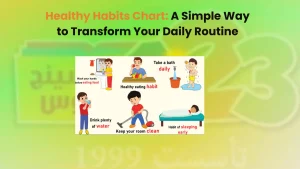
Building better habits sounds simple in theory, but in real life, it often becomes overwhelming. Many people start strong with habit-tracking apps, dashboards, reminders, and notifications—only to abandon them within a week. The problem isn’t motivation; it’s complexity. When tracking habits becomes harder than doing the habit itself, the system fails.
That’s why I shifted to a simple, low-tech habit tracking system without complicated apps. It’s easy, flexible, and actually sustainable in everyday life. In this article, I’ll walk you through exactly how I track my daily habits using simple methods that don’t require fancy tools, subscriptions, or constant screen time.
Why Most Habit Tracking Apps Fail in Real Life
Habit apps are designed to help, but they often create unnecessary friction. Instead of making life easier, they add more steps.
Here’s why people usually stop using them:
- Too many features and distractions
- Constant notifications that become annoying
- Time-consuming logging process
- Pressure to maintain “perfect streaks”
- Overthinking small daily tasks
Instead of supporting habits, these apps sometimes turn them into a chore. That’s when people quit.
The solution is not more technology—it’s simplicity.
The Philosophy Behind My Simple Habit Tracking System
Before explaining the method, it’s important to understand the mindset behind it.
My approach is based on three simple principles:
1. Habits Should Be Effortless to Track
If tracking takes more than a few seconds, it’s too complicated.
2. Consistency Matters More Than Perfection
Missing a day is not failure. The system should support flexibility.
3. Visibility Creates Accountability
If I can see my progress easily, I naturally stay consistent.
With these principles, I built a system that feels natural, not forced.
My Core Habit Tracking Tools (No Apps Required)
You don’t need advanced software to track habits effectively. I use very simple tools that are already available in most homes.
1. A Small Notebook
This is my main tracking tool. It’s always accessible and distraction-free.
2. A Pen or Marker
Simple writing is faster than opening apps and navigating screens.
3. A Weekly Page Layout
Each week gets one page, divided into days and habits.
That’s it—no notifications, no logins, no syncing issues.
Step 1: Choosing Only a Few Important Habits
One of the biggest mistakes people make is tracking too many habits at once. When everything is important, nothing is manageable.
I focus on 3 to 6 core habits only.
Examples of simple daily habits:
- Drinking enough water
- Taking a short walk
- Reading for 10–15 minutes
- Keeping workspace tidy
- Journaling briefly
- Waking up at a consistent time
These are realistic habits that actually fit into daily life.
Step 2: Creating a Simple Weekly Habit Grid
Instead of complicated dashboards, I draw a basic grid in my notebook.
Example layout:
- Rows = Habits
- Columns = Days of the week
Each box represents one habit for one day.
At the end of the day, I simply mark the following:
- ✔ Completed
- ✖ Not done
- — Skipped intentionally
This takes less than 1 minute daily.
Step 3: Morning Setup (30 Seconds Only)
Every morning, I don’t open an app or scroll through dashboards.
Instead, I
- Glance at my habit list
- Mentally prepare for the day
- Decide when I’ll complete each habit
That’s it.
No pressure, no alerts—just awareness.
Step 4: Tracking Habits in Real Time (No Delays)
The key to consistency is tracking immediately after completing a habit.
For example:
- After a walk → I mark it instantly
- After reading → I tick it right away
- After journaling → I update the notebook
This prevents forgetting and keeps the system accurate.
It also creates a small sense of reward every time I complete a task.
Step 5: The “Two-Minute Rule” for Lazy Days
Not every day is productive. Some days are slow, tiring, or unmotivated.
Instead of breaking the system, I use a simple rule:
If a habit takes less than 2 minutes to start, I do it immediately.
Examples:
- Drinking water
- Writing one sentence in a journal
- Stretching for a few minutes
This keeps momentum alive even on low-energy days.
Step 6: Weekly Review Instead of Daily Pressure
Instead of obsessing over daily perfection, I review habits once a week.
Every Sunday or reset day, I check:
- Which habits I completed most
- Which habits I ignored
- What made certain habits easier
- What needs adjustment
This helps me improve without guilt or pressure.
Step 7: Keeping Habit Tracking Visual and Simple
One reason apps fail is because data gets hidden behind screens. My notebook keeps everything visible.
I can instantly see:
- Progress streaks
- Missed days
- Consistency patterns
This visual clarity is powerful because it makes habits feel real, not digital.
Step 8: Linking Habits to Existing Routines
Instead of forcing new behaviors, I attach habits to things I already do.
This is called habit stacking in simple form.
Examples:
- After brushing teeth → drink water
- After lunch → short walk
- Before bed → journal for 5 minutes
This reduces effort and makes habits automatic over time.
Step 9: Removing the Pressure of “Perfect Tracking”
One of the biggest mindset shifts I made was letting go of perfection.
I no longer worry about the following:
- Streaks
- Missing days
- “Breaking” progress
Instead, I focus on long-term consistency, not daily perfection.
Even if I miss a day, I simply continue the next day.
Step 10: Using Colors for Motivation (Optional)
To make tracking more enjoyable, I sometimes use colors.
For example:
- Green = completed
- Yellow = partially done
- Red = missed
This adds a visual layer of motivation without adding complexity.
Step 11: Monthly Reflection for Bigger Improvements
At the end of each month, I look at:
- Which habits improved my life
- Which habits felt unnecessary
- What should be added or removed
This keeps my system evolving naturally over time.
Step 12: Why This Simple System Actually Works
The reason this method is effective is not because it’s advanced—it’s because it’s simple enough to stick with daily.
It works because:
- No app dependency
- No distractions
- No setup time
- No technical learning curve
The easier the system, the more likely you are to stay consistent.
Benefits of Tracking Habits Without Apps
Switching to a simple tracking system has several benefits:
1. Less Screen Time
You avoid unnecessary app usage and notifications.
2. Better Focus
No distractions from digital tools or social media.
3. Faster Tracking
Writing a tick takes seconds.
4. Higher Consistency
Simplicity leads to long-term habits.
5. Better Awareness
You understand your behavior more clearly.
Common Mistakes to Avoid in Habit Tracking
Even simple systems can fail if used incorrectly.
Avoid these mistakes:
- Tracking too many habits at once
- Overcomplicating the layout
- Forgetting to review progress
- Treating missed days as failure
- Changing systems too often
Keep it stable and simple.
Who This Simple Habit Tracking Method Is Best For
This approach is ideal for:
- Beginners starting habit building
- People overwhelmed by apps
- Busy professionals
- Students
- Anyone who prefers simplicity over technology
If you like clarity and low-effort systems, this method fits perfectly.
Final Thoughts on Simple Habit Tracking
Tracking daily habits doesn’t need to be complicated, digital, or time-consuming. In fact, the simpler the system, the more effective it becomes. By using a basic notebook, a small list of habits, and a quick daily check-in, you can build consistency without stress.
The real secret is not the tool—it’s the consistency behind it.
Start simple, stay flexible, and allow your system to grow with you over time. You don’t need a perfect setup—just one that you’ll actually use every day.
Conclusion
A simple habit tracking system without complicated apps can completely change how you build consistency in your life. Instead of relying on notifications and digital dashboards, you create a low-pressure, flexible, and highly effective system that fits naturally into your daily routine.
By focusing on a few important habits, using a basic notebook, and reviewing progress weekly, you remove complexity and increase long-term success. This approach helps you stay consistent without stress, burnout, or digital overwhelm.
Remember, the best habit tracking system is not the most advanced one—it’s the one you can stick to every single day.
FAQs
1. Can I track habits without using any apps at all?
Yes. A simple notebook or paper-based system is often more effective because it reduces distractions and increases consistency.
2. How many habits should I track daily?
It’s best to start with 3 to 6 habits. Too many habits can lead to overwhelm and inconsistency.
3. What if I forget to track my habits?
Don’t worry. Simply update it when you remember or continue the next day. Consistency matters more than perfection.
4. Is a paper habit tracker better than apps?
For many people, yes. Paper trackers are simpler, faster, and free from digital distractions.
5. How long does it take to maintain this system daily?
Usually less than 1–2 minutes per day, making it very easy to sustain long-term.